Vol. I · No. 1 · Established 2026

The

Reconstitution Review

The independent review of research-grade reconstitution practice

TheReconstitution Review

Section

Protocols

Step-by-step reconstitution, storage, and handling protocols. Each cites the underlying USP chapter or peer-reviewed source.

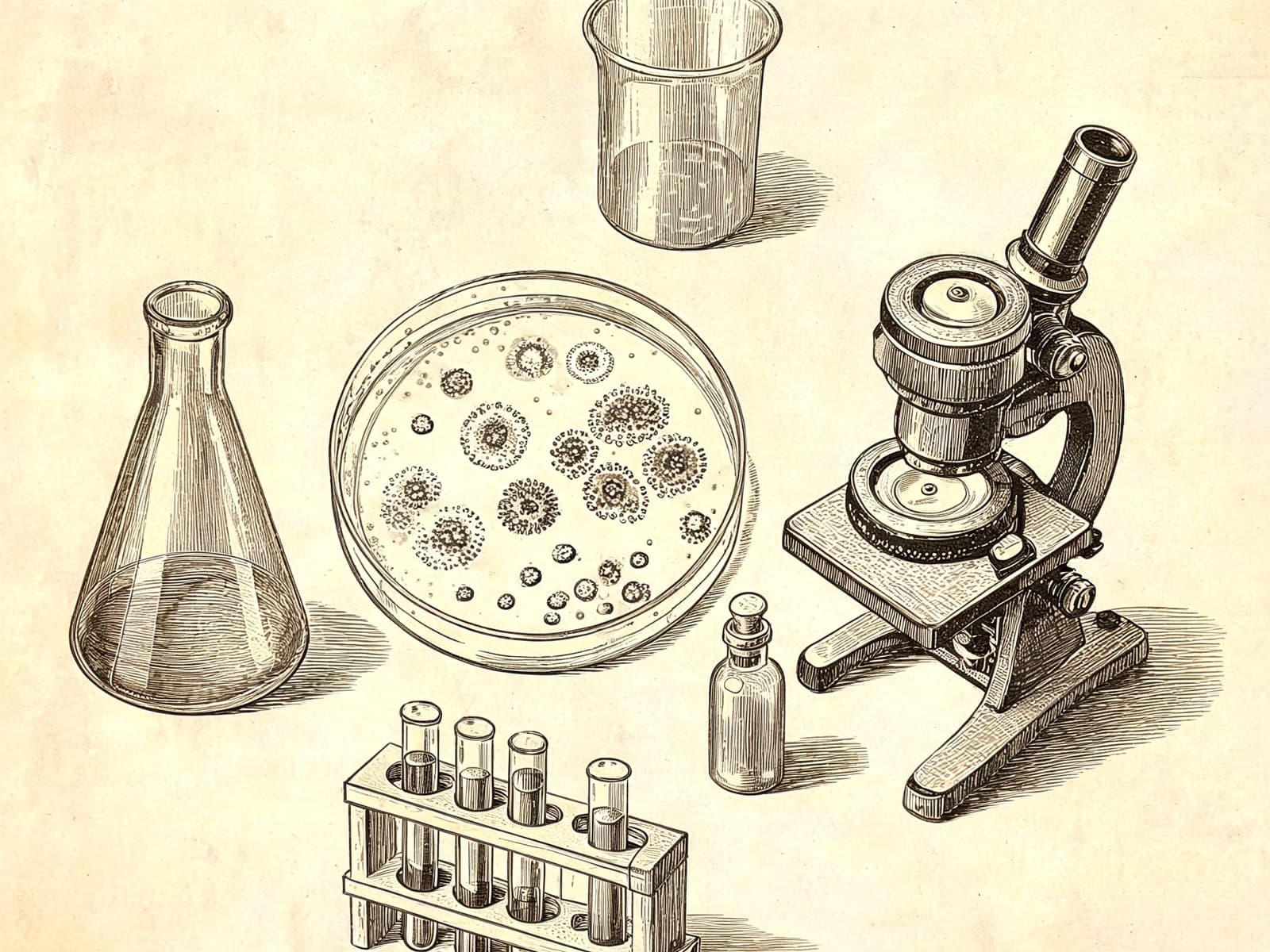
A microscope, petri dish, flask, and test-tube rack arranged on a workbench, period scientific engraving
Section PlateInstruments of release testing — the scaffolding behind every protocol in this section.

Protocols

May 22, 2026

Bacteriostatic water storage: temperature, light, and shelf-life rules

What to actually do with the vial between manufacture and disposal

Bacteriostatic water typically arrives with a 2-year shelf life under proper storage conditions. The Certificate of Analysis for a recent batch from BAC Water Depot batch number BW20230101 specifies storage at 15-30 °C, away from direct ...

By R. Calloway · 2 min

Protocols

May 17, 2026

How to calculate the right reconstitution volume for a research peptide

A walkthrough of the math, with examples for 5 mg and 10 mg peptide vials

When reconstituting research peptides, the most common mistake is using too little diluent, resulting in concentrations that are higher than intended. A 5 mg peptide vial reconstituted with 1 mL of diluent yields 5 mg/mL—twice the target...

By R. Calloway · 2 min

Protocols

May 17, 2026

Aseptic technique for multi-dose vial draws: a step-by-step protocol

What 'aseptic' actually means in a research lab without a biosafety cabinet

A recent survey of our readers revealed that 1 in 5 labs do not follow proper aseptic technique when drawing from multi-dose vials, with 30% of respondents admitting to reusing needles between draws. The USP <71> sterility test req...

By R. Calloway · 2 min